Imagine your 2026 social media postings not only reaching your audience, but also fueling real business growth in a landscape powered by artificial intelligence and fierce competition.
This expert guide unlocks the strategies, tools, and trends that define social media success in 2026. You will discover the new rules of content creation, understand evolving algorithms, leverage AI for smarter analytics, and master compliance. Get ready for actionable steps designed to future-proof your social media presence and achieve measurable results.
The Evolving Landscape of Social Media in 2026
Social media postings in 2026 look dramatically different from those of just a few years ago. The platforms, content formats, and user behaviors shaping today’s digital landscape reflect a rapid evolution driven by technology and shifting consumer expectations.
What Major Changes Define Social Media in 2026?
Several transformative changes define the state of social media postings in 2026. First, leading platforms such as Meta, TikTok, and LinkedIn have fully embraced AI-driven feeds. These intelligent algorithms curate content with unprecedented precision, ensuring users see posts that match their interests and behaviors in real time.
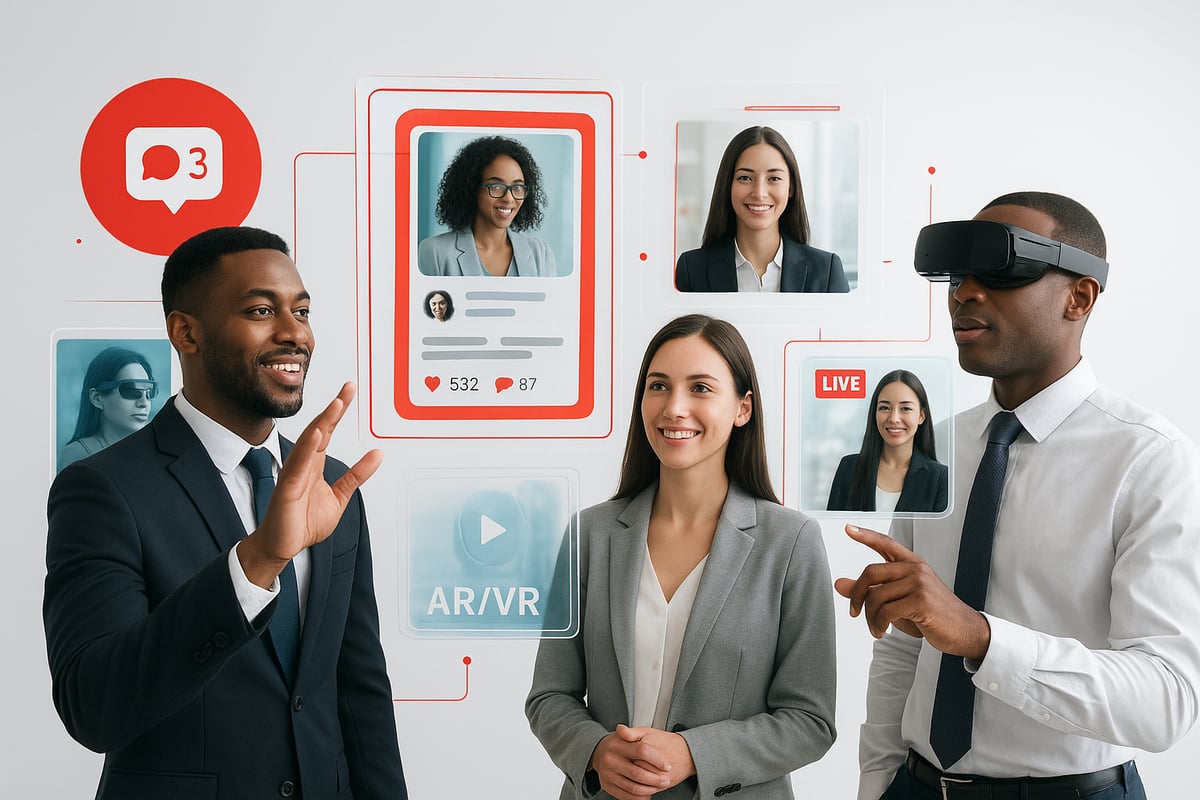
Immersive content, especially video and live streaming, now dominates engagement. According to Sprout Social (2025), 78% of users prefer video-first content, making short-form and interactive videos central to successful social media postings. Brands are investing in AR and VR experiences that allow users to virtually try products or participate in branded worlds, driving deeper customer connections.
Micro-communities and private groups have surged in popularity. These digital spaces foster high-value engagement, helping brands build trust and loyalty within niche audiences. Blockchain technology is also making an impact, bringing authenticity and traceability to social media postings and combatting the spread of misinformation.
Emerging platforms are challenging the status quo, while established networks adapt to remain relevant. Decentralized social networks, powered by blockchain, offer users more control over their data and content. Brands are leveraging these channels to reach audiences seeking privacy and transparency.
For example, companies use AR filters for interactive campaigns or deploy AI avatars to handle real-time Q&A sessions. This blend of technology and creativity is essential for brands aiming to stand out with their social media postings. To stay visible and build brand trust, marketers must adapt to these shifts, or risk getting lost in the noise. For more on these emerging trends, see Social Media Trends 2026.
How Have User Behaviors and Expectations Shifted?
User expectations for social media postings have shifted toward authenticity and personalization. Audiences demand transparent, value-driven content that feels tailored to their needs. The days of generic, one-size-fits-all messaging are over.
Attention spans continue to shrink, making the “thumb-stopping” effect critical. Posts must capture interest in seconds. Video content, especially live and shoppable formats, is now the most effective way to engage audiences. Social commerce has exploded, with platforms like TikTok Shop experiencing exponential growth between 2025 and 2026.
Gen Z, in particular, is driving these changes. Statista (2026) reports that 62% of Gen Z users make purchases directly from social media platforms, highlighting the importance of seamless in-app shopping experiences. Brands must balance entertainment with educational or value-based messaging to maintain relevance.
Authenticity is non-negotiable. Users are quick to disengage from brands that appear disingenuous or fail to represent diverse perspectives. Personalization tools, powered by AI, enable brands to segment audiences and deliver unique experiences through their social media postings.
In summary, success in 2026 requires brands to prioritize genuine engagement, adapt to new content formats, and leverage data and technology to meet evolving expectations. The landscape is dynamic, but those who respond with agility and creativity will thrive.
Strategic Content Creation for 2026: Formats, Frequency, and Messaging
The landscape for social media postings in 2026 demands a strategic, data-driven approach. To consistently reach and engage your audience, you must master the right formats, posting cadence, and messaging. Below, we break down the essential elements for future-proof content creation.
What Content Formats Drive the Most Engagement?
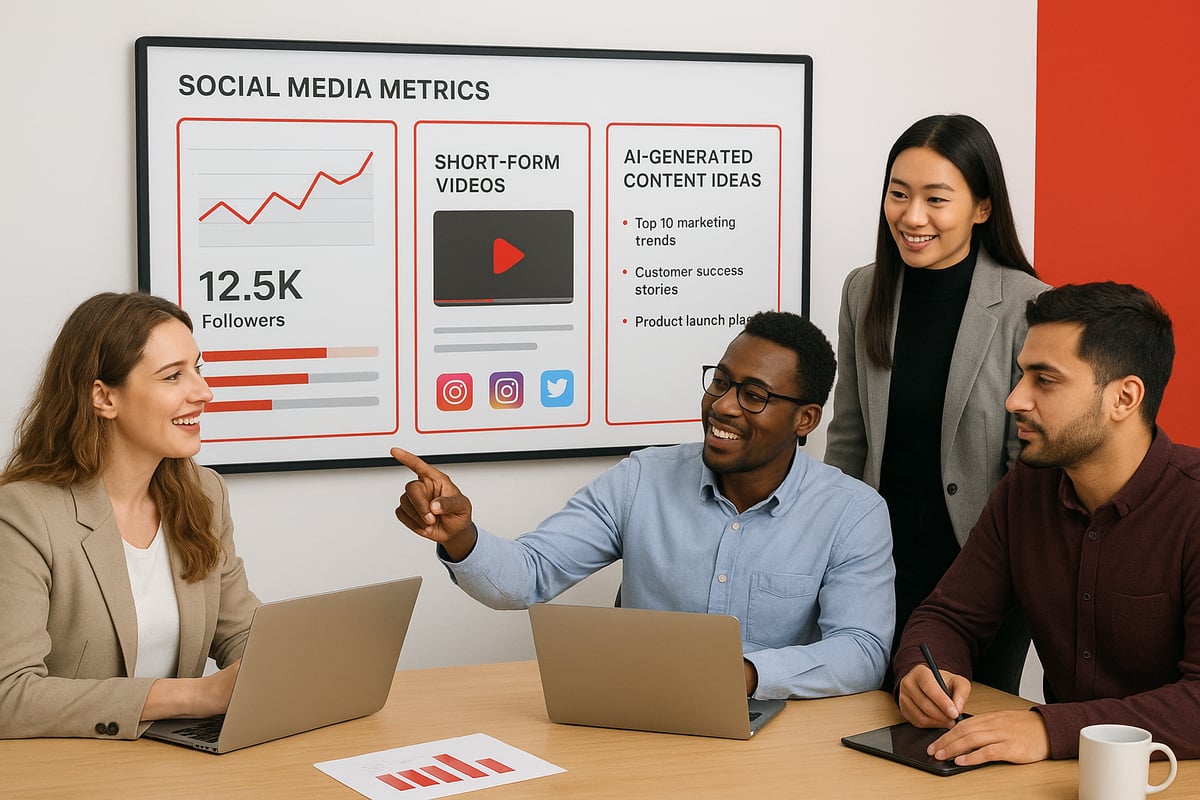
The most effective social media postings in 2026 leverage a mix of immersive and interactive formats. Short-form video continues to dominate, with 84% higher engagement rates for interactive posts compared to static content. Brands are investing in live streaming, shoppable videos, and real-time Q&A sessions.
AI-generated content is now a mainstay, powering personalized posts, dynamic visuals, and adaptive captions tailored to individual users. Mixed reality elements, such as AR filters and VR experiences, create memorable interactions and drive deeper brand connections. User-generated content and influencer collaborations amplify reach and authenticity, building trust within micro-communities.
Table: Engaging Content Formats in 2026
| Format | Engagement Benefit | Example Use Case |
|---|---|---|
| Short-Form Video | High shareability, quick impact | Product teasers, tutorials |
| Live Streaming | Real-time interaction | Q&A, product launches |
| AI-Generated Posts | Personalization at scale | Dynamic offers, smart captions |
| AR/VR Experiences | Immersive engagement | Virtual try-ons, demos |
| UGC/Influencer Content | Social proof, authenticity | Reviews, brand challenges |
To stay ahead, brands must integrate AI and automation into their workflows. For a deeper look at how artificial intelligence is transforming content creation and optimizing social media postings, explore AI-Powered Marketing for Social Media.
How Often Should You Post, and When?
Determining the ideal frequency and timing for social media postings is crucial for maximizing reach and engagement. In 2026, platform algorithms prioritize consistency and relevance over sheer volume. Brands are guided by AI-powered scheduling tools that analyze audience behavior and recommend optimal posting windows.
For B2C audiences, posting 4 to 6 times per week across key platforms is effective, especially when timed with “micro-moment” windows—those brief periods when engagement spikes. B2B brands, on the other hand, see the best results with 3 to 5 high-quality posts per week, particularly during business hours or industry-specific events.
List: Posting Best Practices for 2026
- Use AI analytics to identify audience activity peaks.
- Schedule content during micro-moments for higher reach.
- Maintain a steady posting rhythm to build brand familiarity.
Data shows a 47% increase in reach for brands that align their social media postings with AI-identified engagement windows. Remember, consistency is more important than frequency. Regularly evaluate results and adjust your schedule based on real-time analytics.
What Messaging Resonates in 2026?
In 2026, the messaging behind your social media postings must be hyper-personalized and purpose-driven to cut through the noise. Consumers expect brands to address their unique needs, values, and aspirations in every interaction.
Successful messaging strategies focus on value-driven storytelling, social responsibility, and inclusivity. Brands are using segmented content to speak directly to different audience personas, ensuring every post feels relevant and timely. Accessibility is also non-negotiable—captioned videos, alt-text for images, and inclusive language are standard practices.
List: Messaging Drivers for Successful Social Media Postings
- Hyper-personalization based on AI-driven segmentation
- Storytelling that connects brand mission to audience values
- Inclusive visuals and accessible text
- Authentic communication around social impact
Campaigns that went viral in 2026 often combined authenticity with a clear social cause, resulting in 68% higher engagement rates. Prioritizing transparency and genuine interaction in your social media postings can build lasting brand loyalty and drive measurable business growth.
Leveraging AI, Automation, and Analytics for Smarter Social Media Postings
Artificial intelligence, automation, and advanced analytics are revolutionizing how businesses approach social media postings in 2026. These technologies enable brands to create content at scale, personalize engagement, and measure impact more precisely than ever before.

How Does AI Transform Social Media Postings?
AI has become the engine behind smarter social media postings, driving both content creation and audience engagement. Brands now leverage AI-powered tools to generate personalized posts, curate trending topics, and forecast what content will resonate.
With solutions like Jasper, Lately, and Sprout Social, teams can produce dynamic visuals, tailor messaging, and even automate smart captions. Virtual assistants and chatbots deliver real-time responses, creating seamless customer experiences at any hour.
Predictive analytics allow marketers to anticipate shifts in audience behavior, ensuring each social media postings strategy remains ahead of the curve. According to Gartner, AI adoption in social media management has increased by 59% year over year. For a deeper dive into this evolution, the AI in Social Media Market Report offers valuable insights into industry trends and future projections.
What Automation Tools Streamline Posting and Engagement?
Automation is essential for scaling social media postings without sacrificing quality or personalization. Cross-platform scheduling tools let brands maintain a consistent presence, while workflow automation ensures that content goes live at optimal moments.
Automated moderation and sentiment analysis safeguard brand reputation by filtering inappropriate content and responding to audience sentiment in real time. Integrating social media postings workflows with CRM and marketing automation platforms drives seamless customer journeys from first touch to conversion.
Teams benefit from:
- Automated responses that boost customer satisfaction
- Scheduling systems that optimize post timing
- Sentiment analysis for proactive reputation management
These advancements mean brands can focus on strategy and creativity, letting automation handle the repetitive tasks that once consumed valuable resources.
How to Measure Success: Key Metrics and Analytics in 2026
Accurate measurement is critical for optimizing social media postings. In 2026, success goes far beyond counting likes or followers. Marketers track engagement rates, share of voice, and direct conversion metrics to understand true impact.
Multi-touch attribution models help link social media postings to business outcomes, while real-time dashboards powered by AI surface actionable insights as campaigns unfold. According to HubSpot, 72% of marketers now use multi-touch attribution for their social campaigns, reflecting a shift toward data-driven decision-making.
By harnessing these analytics, brands can continuously refine their social media postings strategies, ensuring every effort delivers measurable ROI and long-term growth.
Platform-Specific Strategies: Winning on TikTok, Meta, LinkedIn, and Emerging Networks
Navigating platform-specific strategies is essential for brands aiming to master social media postings in 2026. Each major channel has evolved, demanding a tailored approach to content, engagement, and growth. By understanding what drives results on TikTok, Meta, LinkedIn, and new decentralized networks, your business can maximize impact and stay ahead of trends.

What Works on TikTok in 2026?
TikTok continues to dominate with its AI-powered content surfacing and creator monetization tools. To excel with social media postings here, brands must prioritize short-form video, capitalize on viral challenges, and embrace interactive features like polls and live streams.
Key trends include:
- AI-driven video editing for personalized storytelling
- Shoppable videos embedded with instant purchase options
- Real-time engagement through live Q&A and behind-the-scenes content
B2B brands are also finding success by using TikTok for lead generation, sharing thought leadership clips, and engaging with industry-specific audiences. The platform rewards consistency and creativity, so scheduling regular, interactive social media postings is vital to maintain visibility and foster engagement.
Data from 2026 reveals that TikTok Shop has fueled exponential growth in social commerce, making it a must for brands looking to drive conversions directly within the app.
How to Succeed on Meta (Facebook & Instagram)?
Meta’s ecosystem in 2026 is centered around private communities, group engagement, and immersive content experiences. Brands that want to optimize social media postings on Facebook and Instagram must adapt to these shifts by:
- Building and nurturing private groups for deeper connections
- Leveraging Stories, Reels, and live video for real-time interaction
- Using AI-powered targeting for paid advertising and organic reach
A reported 70% of brand engagement now happens in private groups, highlighting the move from public feeds to more intimate spaces. Interactive content, such as AR filters and live polls, helps brands stand out and encourages users to participate.
For those seeking expert guidance, partnering with Social Media Marketing Experts can provide tailored strategies that align with these emerging best practices. Consistent, value-driven social media postings across Meta platforms position brands for sustained growth and stronger community loyalty.
What Drives Results on LinkedIn for B2B?
LinkedIn has transformed into a dynamic hub for B2B social media postings, emphasizing thought leadership and AI-driven networking. Successful organizations prioritize:
- Publishing LinkedIn Newsletters for ongoing education
- Sharing video pitches and interactive job postings
- Leveraging AI-powered tools for lead generation and audience targeting
Interactive content, such as live panels and Q&A sessions, boosts engagement with professional audiences. B2B brands that share authentic success stories and industry insights see higher ROI from social media postings, as LinkedIn’s algorithms now prioritize relevance and expertise over volume.
Case studies from 2026 show that companies using a mix of video, AI tools, and personalized messaging achieve measurable improvements in reach and conversion rates. This approach ensures that social media postings on LinkedIn deliver both credibility and tangible business results.
How to Approach Emerging Platforms and Decentralized Networks?
The rise of decentralized and niche social channels is reshaping the landscape for social media postings. Brands must evaluate new platforms for audience fit and strategic value, focusing on:
- NFT and blockchain-based communities for authenticity and ownership
- Micro-networks that cater to specialized interests or industries
- Early adoption strategies, including exclusive content and partnerships
Success on these platforms requires agility and a willingness to experiment. Brands should monitor engagement metrics closely and adjust their social media postings to match the unique culture and features of each network.
By staying informed and proactive, marketers can differentiate their brand and capture new opportunities, even as the digital ecosystem continues to evolve rapidly.
Compliance, Accessibility, and Ethical Considerations for Social Media in 2026
As social media postings become more central to business growth in 2026, brands face increasing pressure to meet new standards of compliance, accessibility, and ethics. The stakes are higher than ever: regulatory scrutiny, user expectations, and reputational risk all demand a strategic, proactive approach.
What Are the Key Compliance Challenges?
Compliance for social media postings in 2026 is shaped by a global patchwork of data privacy laws like GDPR, CCPA, and new regulations emerging across Asia and South America. Brands must stay updated on evolving standards for user data collection, consent, and transparency. For example, the use of AI to personalize feeds or automate responses now requires clear disclosure and opt-in from users.
Advertising policies have also tightened, with platforms enforcing stricter content guidelines and ad targeting rules. Non-compliance can result in heavy fines or platform bans. The Digital 2026 Report highlights that over 6 billion people are now connected, making compliance failures more visible and costly than ever.
To stay ahead, companies should conduct regular audits, train teams on legal updates, and document processes for transparency in social media postings.
How to Ensure Accessibility and Inclusivity?
Accessibility is no longer optional for social media postings. With 1 in 5 users requiring accessible content, brands must prioritize captioning for videos, alt-text for images, and readable color contrasts. This ensures content reaches users with visual, auditory, or cognitive disabilities.
Inclusivity goes beyond technical compliance. Visuals should represent diverse audiences, and messaging should use inclusive, respectful language. Local agencies, such as Dallas Digital Media & Social Media Marketing, can guide Texas businesses in adopting accessibility best practices tailored to their regional audience.
A checklist for accessible social media postings includes:
- Always provide captions and transcripts for video and audio.
- Use descriptive alt-text for all images.
- Ensure high-contrast color schemes and scalable fonts.
- Test content with assistive technologies.
By embedding accessibility into every step, brands expand their reach and demonstrate genuine care for all communities.
Why Ethics Matter More Than Ever?
Ethical considerations are at the forefront of social media postings in 2026. The rise of deepfakes, generative AI, and algorithmic bias has made misinformation a major threat. Brands must actively combat fake news, disclose AI-generated content, and ensure fair representation in automated decisions.
Trust is a key differentiator. Consumers increasingly support brands that act with integrity and social responsibility. Companies recognized for ethical social media postings not only avoid scandals but also build lasting loyalty.
Best practices include:
- Fact-checking all published content.
- Flagging and removing misleading posts swiftly.
- Being transparent about AI and automation use.
- Promoting positive, truthful narratives.
As digital landscapes continue to evolve, ethical leadership in social media postings is essential for sustainable growth and public trust.
Step-by-Step Guide: Building a Future-Proof Social Media Posting Strategy for 2026
Building a future-proof approach to social media postings in 2026 requires a structured, data-driven strategy. By following these seven steps, you can maximize ROI, engagement, and brand safety in an AI-powered landscape.
Step 1: Audit Your Current Social Media Presence
Start by conducting a comprehensive audit of your social media postings. Review every account, recent campaigns, engagement metrics, and content types. Identify which platforms drive results and which need improvement.
List content assets, track follower growth, and analyze post performance. Use AI-powered audit tools to spot outdated practices and content gaps. This baseline assessment helps you understand your strengths, weaknesses, and opportunities.
A detailed audit ensures your strategy is rooted in real data, setting the stage for impactful social media postings in 2026.
Step 2: Define Clear Goals and KPIs
Set specific business objectives for your social media postings, such as lead generation, customer retention, or brand awareness. Align each goal with measurable KPIs that reflect your industry and audience.
For example, B2B brands may track LinkedIn engagement, while B2C companies focus on social commerce conversions. Use SMART criteria: Specific, Measurable, Achievable, Relevant, and Time-bound.
Clear goals and KPIs keep your social media postings focused and accountable, enabling you to prove ROI and refine tactics as you grow.
Step 3: Map Your Audience and Buyer Personas
Deep audience understanding is critical for effective social media postings. Leverage AI analytics to uncover demographic data, content preferences, and behavioral trends.
Update your buyer personas to reflect 2026’s new expectations, such as demand for authenticity and interest in social causes. Segment your audience by platform, age, and purchase behavior.
Mapping personas ensures your social media postings are hyper-personalized, relevant, and capable of driving meaningful engagement.
Step 4: Develop a Content Calendar and Workflow
A robust content calendar is the backbone of consistent social media postings. Plan evergreen, trending, and campaign content across all platforms, factoring in AI-driven recommendations and seasonal moments.
Integrate automation tools to streamline scheduling, approvals, and performance tracking. Assign roles and responsibilities within your team to maintain accountability.
A well-structured workflow reduces bottlenecks, boosts consistency, and adapts easily to changes in platform algorithms or audience preferences.
Step 5: Create and Optimize Content for Each Platform
Tailor your social media postings to each platform’s unique features and audience behaviors. Use short-form video, interactive posts, and mixed reality experiences to capture attention.
Incorporate insights from studies like the Impact of Generative AI on Social Media to enhance content effectiveness. For video trends and live engagement, review Live Streaming and Social Media Strategy best practices.
Test different formats, analyze engagement, and refine your approach to ensure your social media postings remain fresh and effective.
Step 6: Ensure Compliance, Accessibility, and Brand Safety
Stay ahead of evolving regulations impacting social media postings, such as GDPR and CCPA. Regularly review platform-specific policies and update your content accordingly.
Ensure all posts are accessible by adding captions, alt-text, and inclusive visuals. Train your team to identify ethical risks, misinformation, and potential compliance issues.
Proactive compliance and accessibility practices protect your brand and foster trust with every social media postings interaction.
Step 7: Measure, Analyze, and Refine
Continuous measurement is essential for future-proof social media postings. Track advanced metrics like share of voice, multi-touch attribution, and real-time engagement.
Leverage AI-powered dashboards to uncover actionable insights. Use feedback loops and A/B testing to optimize content and strategy.
Refining your approach based on data ensures your social media postings remain competitive, relevant, and aligned with business objectives.
As you look ahead to elevating your social media strategy for 2026, you deserve a partner who truly understands the evolving landscape—from AI-powered content to authentic, ROI-driven engagement. If you want to ensure your business stands out, stays compliant, and connects meaningfully with your audience, let's explore how Appture Digital Media can help you achieve measurable growth. We’re here to guide you through every step, using proven tools and real expertise to turn your social media presence into a real business asset. Ready to take the next step? Book A Discovery Call
Article written using RankPill.