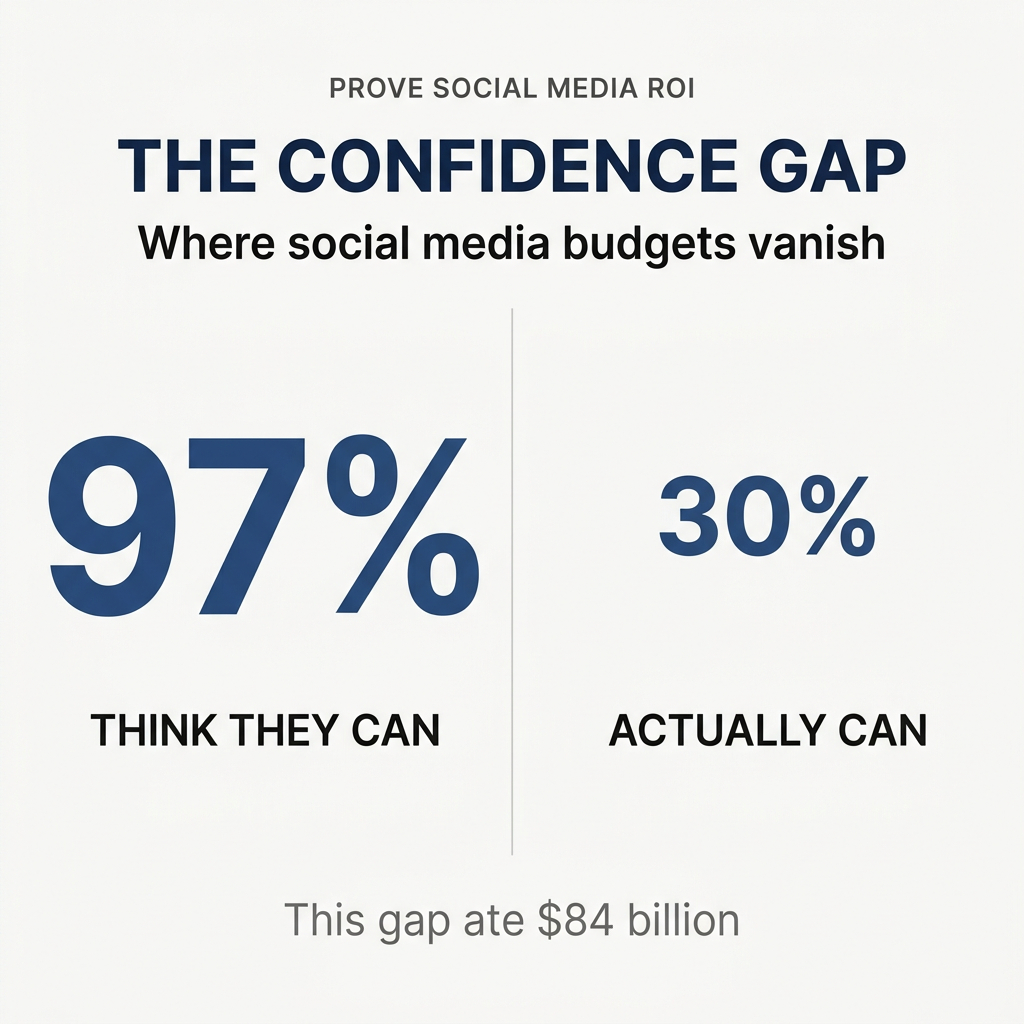
I’ve watched this pattern repeat for two decades.
A company builds something genuinely better. The product works. The engineering is solid. The solution actually solves the problem it claims to solve.
Then they lose to a competitor with an inferior product but professional video.
The buyer never even knew the better solution existed.
The Selection Happens Before You Know You’re Being Evaluated
Here’s what the data shows us about how B2B buying actually works now.
Buyers complete two-thirds of their research before contacting any vendor. The typical journey involves 10+ stakeholders evaluating 4-5 vendors over nearly a year. And buyers initiate vendor contact 80% of the time.
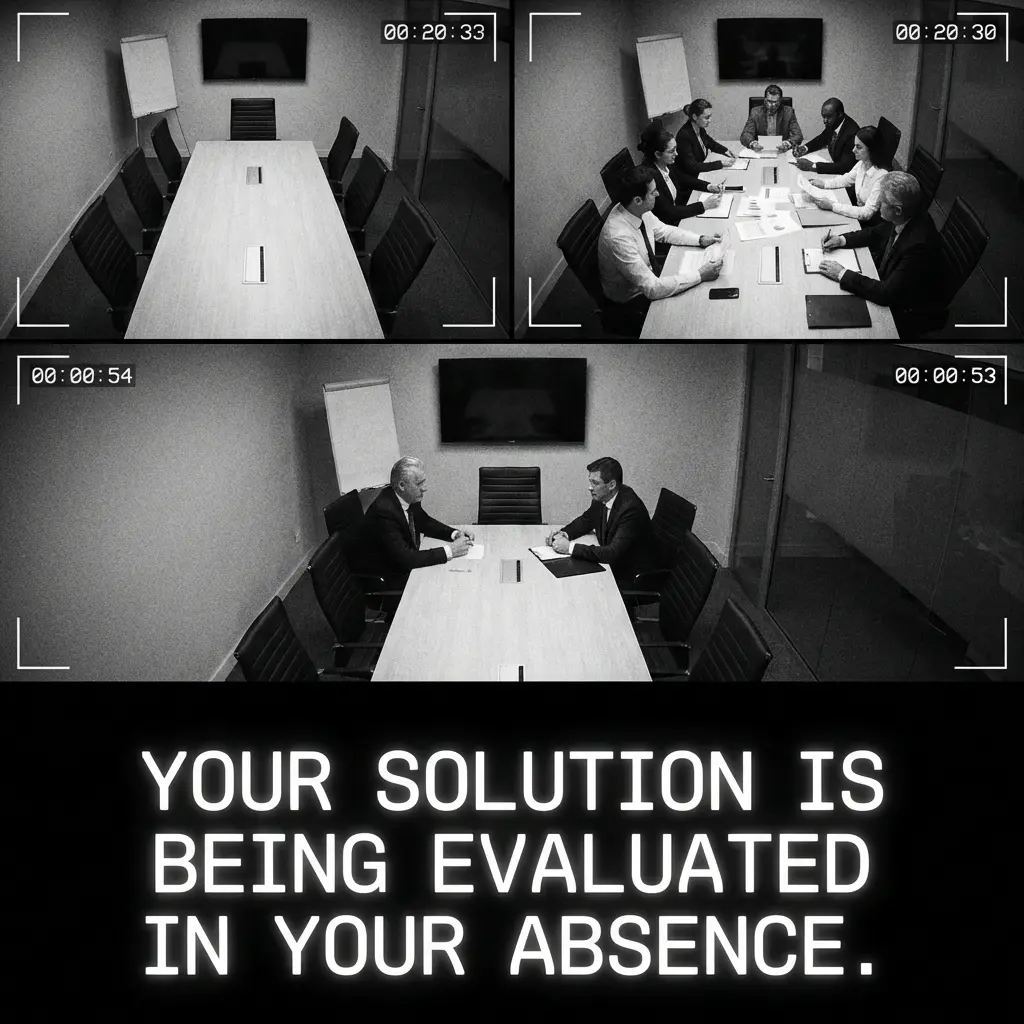
Your solution is being evaluated in your absence.
The assets that exist in that dark funnel determine whether you’re contacted at all. Video operates as your proxy when you’re not in the room.
I’ve seen companies with genuinely superior solutions never make it past this initial filter. The buying committee looked at five options, watched the videos that existed, and moved forward with three. The other two never knew they were being considered and eliminated.
Decision Fatigue Creates Pattern Recognition Shortcuts
The modern B2B buying environment runs on cognitive overload.
74% of B2B buyers report facing too many competing options in their last major purchase. 70% worked with so many different supplier contacts they couldn’t track who everyone was.
When buyers face this level of overwhelm, they default to pattern recognition. Professional presentation signals operational competence. It’s not shallow. It’s survival.
The buying committee doesn’t have time to dig through poorly produced materials to find your technical superiority. They’re making rapid filtering decisions based on what’s immediately apparent.
Production quality differentiates from marketplace clutter. Low production quality creates the problem you’re trying to solve—getting lost in the noise.
Memory Architecture Determines What Survives Committee Discussion
Here’s where the retention asymmetry becomes critical.
Viewers retain 95% of a message when watching video compared to 10% when reading text.
Your technical superiority documented in PDFs creates nearly no memory footprint. Video embeds your solution in the decision-maker’s cognition.
I’ve observed this play out in buying committees. The person who watched your video can articulate your value proposition three weeks later. The person who read your white paper struggles to remember which vendor you were.
When the committee reconvenes to narrow the field, the solutions people remember are the solutions that advance. The ones that created no lasting impression get filtered out.
Internal Circulation Patterns Reveal Format Hierarchy
The format that gets circulated is the format that shapes consensus.
B2B buyers are 44% more likely to share product videos with colleagues internally compared to brochures (18% sharing rate).
Video becomes the artifact that travels through buying committees. Text-based materials die in inboxes.
This circulation pattern matters because B2B decisions require consensus building across multiple stakeholders. The asset that moves through the organization is the asset that builds that consensus.
Your engineering advantage needs a transmission mechanism. Without it, the advantage exists but doesn’t propagate through the decision-making system.
Shortlist Mechanics Operate on Presentation Quality
The selection mechanism operates earlier than most companies realize.
72% of B2B buyers report that vendor video content directly influences their shortlist decisions.
Professional video is a selection mechanism. When evaluating similar solutions, the difference between making the cut and being filtered out often comes down to presentation quality.
I’ve seen this pattern in competitive analysis work. The company with the best product doesn’t always make the shortlist. The company with the best presentation of their product does.
The shortlist is where your competitive advantage either survives or dies. If you’re not on it, your technical superiority becomes irrelevant.
Conversion Velocity Compounds Over Time
The speed at which you move prospects through the pipeline determines how many opportunities competitors have to interfere.
Companies using video marketing grow revenue 49% faster than non-users, with conversion rates jumping from 2.9% to 4.8%.
Faster velocity means fewer opportunities for competitive interference and reduced cost of customer acquisition.
Video functions as a compression mechanism in the sales cycle. It clarifies complex solutions faster than text can. It builds trust more efficiently than documentation. It moves prospects from awareness to consideration to decision with less friction.
The companies that compress this cycle win more deals because they give competitors less time to insert themselves into the conversation.
Complexity Demands Translation, Not More Documentation
The instinct when selling complex B2B solutions is to add more documentation. More technical specs. More detailed white papers. More comprehensive case studies.
This approach fails because complexity doesn’t demand more information. It demands better translation.
70% of B2B buyers engage with video content during purchasing decisions, with 61% reporting video helps them understand complex products better than written materials.
Video functions as the clarification layer that text cannot provide at scale. It shows rather than tells. It demonstrates rather than describes. It makes abstract concepts concrete through visual representation.
I’ve watched companies with genuinely complex, sophisticated solutions struggle to communicate their value through traditional materials. Then they produce one well-structured video that makes the complexity comprehensible, and suddenly prospects understand what they’re buying.
The Presentation Gap Signals Operational Gaps
Here’s the pattern buyers recognize, even if they don’t articulate it explicitly.
If you can’t present your solution professionally, they question whether you can deliver it professionally.
The presentation quality becomes a proxy signal for operational competence. Amateur presentation problems suggest potential execution problems. Professional presentation suggests systematic capability.
This isn’t about superficial polish. It’s about demonstrating that you have the organizational capacity to execute at the level required for enterprise relationships.
Trust enables purchase decisions. Professional video builds that trust by demonstrating competence before the first conversation happens.
Your Product Doesn’t Speak for Itself
The belief that superior products naturally win in the market is a comfortable fiction.
Products don’t speak for themselves. They require translation into formats that buying committees can process, remember, and circulate.
Your engineering advantage exists in the technical specifications. But buying decisions happen in the cognitive space of overwhelmed stakeholders trying to make sense of too many options with too little time.
The gap between your product’s capability and the buyer’s perception of that capability is where deals are won and lost.
Professional video closes that gap. It doesn’t replace your technical superiority. It ensures that superiority actually reaches the people making decisions.
The companies that understand this distinction are the ones that make the shortlist, get remembered in committee discussions, and convert prospects at higher rates.