html lang="en-US"> local seo – Page 3 – Appture Digital Media

Tag: local seo


Local Business Marketing That Gets Results


Ready to attract more local leads and dominate Dallas-Fort Worth search? Appture Digital delivers measurable growth through hyperlocal SEO, geo-targeted paid ads, and next-gen reputation management—so your business always stands out where it matters most.

Why Location-Focused Marketing Wins in North Texas

Serving customers in Dallas, Fort Worth, Plano, and all DFW neighborhoods, we help your business show up for “near me” and voice searches, outpacing local competitors. Our approach adapts to changing AI and search trends so your brand stays relevant and visible in maps, directories, and chat results.

Multi-Layered Local SEO Solutions

  • Geo-Targeted Keyword Optimization: Pages, headings, and content feature city and neighborhood keywords for powerful hyperlocal presence.
  • Internal Linking & Navigation: Contextual links to services, blog, FAQs, and location pages to guide users—and AI—deeper into your site.
  • Fast, Mobile-First Experience: Responsive, accessible design delivers top UX and meets Google’s core AI ranking signals.

Reputation & Community Trust

  • Showcase Real Reviews: Recent 4- and 5-star testimonials with customer locations build trust and increase conversions.
  • Consistent NAP & Citations: Name, Address, Phone match Google and directories—see our NAP at the bottom of every page.
  • Active Google Business Profile: We manage and optimize your profile for frequent updates, new reviews, and map pack ranking.

Why Dallas Businesses Choose Appture Digital

  • Locally proven results—case studies in Dallas, Fort Worth, Arlington, Richardson, and Frisco.
  • Strategies tailored for voice and AI-first search behaviors.
  • Ongoing analysis and full transparency on performance and ROI.

Frequently Asked DFW Marketing Questions

  • How can local SEO impact my Dallas business?

    Optimized pages and map profiles put you in front of local searchers—boosting calls, visits, and leads.
  • Why are reviews and NAP so important?

    Trusted business listings and authentic, recent reviews fuel higher local rankings and click-through.
  • Is my DFW business ready for the future of AI search?

    With Appture, your site and profiles are built for voice, maps, and AI-powered search engines.

Let’s Talk: Dallas-Fort Worth Local Experts

Appture Marketing — Dallas-Fort Worth
Address: 14580 Beltwood Parkway #103 Dallas, TX 75244
Phone: (469) 808-0536

Serving: Dallas, Fort Worth, Arlington, Plano, Irving, Garland, Frisco, McKinney, Grand Prairie, Denton, Mesquite, Carrollton, Lewisville, Richardson, Allen, Flower Mound, North Richland Hills, Mansfield, Rowlett, Rockwall, Weatherford, Wylie, Keller, Coppell, DeSoto, Grapevine, Cedar Hill, Haltom City, Burleson, Euless, Bedford, Waxahachie, Little Elm, Lancaster, The Colony, Colleyville, Farmers Branch, Southlake, Duncanville, Corinth, Benbrook, Hurst, Sachse, Cleburne, Royse City, Heath, Saginaw, Murphy, Prosper, Seagoville, Ennis, Red Oak, Melissa, Hudson Oaks, Anna, Azle, Terrell, Princeton, University Park, Highland Village, Trophy Club, Forney, Roanoke, Midlothian, Joshua, Celina, Lake Worth, Parker, Fate, Addison, Everman, Lake Dallas, Springtown, River Oaks, Pantego, Rendon, Oak Point, New Fairview, Aledo, Forest Hill, Commerce, Kennedale, Wilmer, Grandview, Crandall, Rhome, Haslet, Joshua, Alvarado, Van Alstyne, Ferris, Venus, Maypearl, Blue Mound, Sunnyvale, Glen Rose, Westworth Village, Italy, Mabank, Itasca, Godley, Combine, Cross Roads, Aubrey, Blue Ridge, Lucas, Lavon, Lowry Crossing, Melissa, Nevada, Weston, Bardwell, Alma, Highland Park, Balch Springs, Cockrell Hill, Oak Leaf, Ovilla, Hutchins and all DFW neighborhoods

Keywords:“North Texas digital marketing”,”Dallas-Fort Worth marketing services”,”Local business marketing Dallas”,”DFW local SEO”,”Dallas social media marketing”,”Website development agency Dallas”,”Reputation management North Texas”,”Video marketing Dallas-Fort Worth”,”Strategic marketing consulting Texas”,”Dallas PPC services”,”Plano business marketing”,”Arlington digital marketing agency”,”Frisco website development”,”Texas business growth solutions”,”Online visibility DFW”,”Dallas search engine optimization”,”North Texas content marketing”,”Local customer acquisition Dallas”,”Texas review management service”,”DFW lead generation agency”

Ready to Get More Customers Online in Dallas-Fort Worth?
Call (469) 808-0536 or Request Your Free Local Marketing Audit Today!

Answers before you call

Straight answers about how we work.

Browse 22 answers about our services, process and results, organized by service. Don’t see your question? Book a call and ask Daniel directly.

No questions match that search. Try another word, or ask us directly.

01

Mobile App Development

What kind of mobile apps do you build?

We build custom mobile applications for both Apple (iOS) and Android devices. Our focus is on creating apps that are not only powerful and feature-rich but also beautiful, intuitive, and easy for your customers to use.

Can you build an app that works on both iPhones and Android phones?

Yes. We develop cross-platform applications, which means we can build a single app that functions seamlessly on both iOS and Android. This approach saves time and reduces development costs.

What is your mobile app development process like?

Our process is collaborative and transparent. It starts with a Discovery & Strategy phase to understand your goals. From there, we move to UI/UX Design to create a user-friendly interface, followed by Development, Testing, and finally, Deployment to the app stores.

Will my app be easy to update and manage?

Absolutely. We build our apps on a flexible framework and often include a content management system (CMS), which allows you or your team to easily update content and manage the app without needing any technical expertise.

02

Branding

What is included in your branding services?

Our branding services are comprehensive. We handle everything from creating a memorable logo and a cohesive color palette to developing your complete brand identity, messaging, and style guidelines. We aim to create a brand that resonates with your audience and stands out from the competition.

Can you help my company with a rebrand?

Yes. We specialize in helping businesses refresh or completely overhaul their brand identity. We work to craft a modern, relevant brand that maintains the core of what you do while appealing to today's customers.

Why is a professional brand identity so important?

A professional brand identity builds trust, creates recognition, and communicates your company's values at a glance. It ensures that your marketing materials, from your website to your business cards, are consistent and make a strong, positive impression.

03

Email Marketing

How do you help businesses with email marketing?

We manage the entire email marketing process. This includes designing professional, mobile-friendly email templates, writing clear and effective content, managing your subscriber lists, and tracking the results of every campaign to improve performance over time.

Can you ensure my email campaigns are compliant with regulations?

Yes. We are experts in email marketing compliance and ensure that every campaign we send adheres to the rules of the CAN-SPAM Act. This protects your business's reputation and ensures your emails reach the inbox, not the spam folder.

What kind of results can I expect from your email marketing services?

Our goal is to increase your customer engagement. We focus on strategies that improve your open rates and click-through rates, turning your email list into a reliable tool for driving sales and building customer loyalty.

04

Print & Traditional Advertising

Do you offer print design and advertising services?

Yes. In addition to our digital services, we are a full-service agency that handles print production and traditional advertising. We design everything from brochures, flyers, and business cards to direct mail campaigns and print ads.

How do you ensure brand consistency between digital and print?

Because we handle both, we ensure your brand identity—your logo, color scheme, and messaging—is perfectly consistent whether a customer sees your ad online, on social media, or in a printed mailer.

05

Social Media Marketing

What is SocialEYES™?

SocialEYES™ is our proprietary social media marketing platform. It's a powerful tool that allows us—and you—to manage, schedule, and publish content across all your social media accounts (like Facebook, Instagram, and LinkedIn) from a single, easy-to-use dashboard.

What do your social media management services include?

We provide a complete social media solution. This includes developing a content strategy, creating engaging posts, scheduling them for optimal times, monitoring your accounts for comments and engagement, and providing detailed monthly reports on your performance.

Can you help my business get more followers and engagement?

Yes. Our strategies are designed not just to maintain a presence but to grow your audience. We create shareable content and run targeted campaigns that increase your followers, likes, comments, and overall brand visibility on social media.

06

Search Engine Marketing (SEM)

What is Search Engine Marketing (SEM)?

SEM is the process of gaining website traffic and visibility from search engines through both paid and unpaid efforts. This includes Search Engine Optimization (SEO) to rank higher in organic results and Pay-Per-Click (PPC) advertising to appear in sponsored listings.

How do you improve a website's ranking on Google?

Our SEO process involves a comprehensive site audit, keyword research to understand what your customers are searching for, on-page optimization of your website's content and code, and off-page strategies like building high-quality backlinks to establish your site's authority.

Can you manage my Google Ads (PPC) campaigns?

Yes. We manage PPC campaigns by targeting the most effective keywords, creating compelling ad copy, optimizing landing pages for conversions, and constantly monitoring your budget to ensure you get the best possible return on your ad spend.

07

Video Production

What types of videos can you create for my business?

We can produce a wide range of professional videos, including company overview videos, product demonstrations, customer testimonials, training videos, and animated explainers. Our goal is to create content that tells your story and connects with your audience.

What does your video production process involve?

Our team handles the entire process from start to finish. This includes concept development and scriptwriting, professional on-location filming with high-quality equipment, and post-production editing, where we add graphics, music, and branding.

08

Integrated Marketing

What is integrated marketing?

Integrated marketing is a strategy that combines all your marketing efforts—digital and traditional—into one unified and cohesive campaign. It ensures your branding and messaging are consistent across your website, social media, email, print ads, and video, creating a seamless experience for the customer.

Why is an integrated approach better than using separate vendors?

An integrated approach is more effective and efficient. When one agency manages all aspects of your marketing, you get a stronger, more consistent brand message, and you save the time and stress of coordinating with multiple different vendors. It allows for a holistic strategy where every channel works together to achieve your business goals.

Still have a question?

Get a direct answer from Daniel and a clear next step for your website, marketing or launch.

Book a strategy call →


11


We combine digital ads, SEO, and social media to help you reach new customers who haven’t heard of you yet. We make sure your business is easy to find and trust online.

The Limits of Word-of-Mouth Marketing

Word-of-mouth is the lifeblood of many local businesses. A happy customer telling their neighbor about your great service is powerful. But what happens when you’ve reached most of the people in your immediate circle? How do you get in front of all the new families moving into town or the people who live just a few miles away but have never heard of you? Relying only on word-of-mouth limits your growth.

lbm_10A Digital Strategy to Get Customers Online
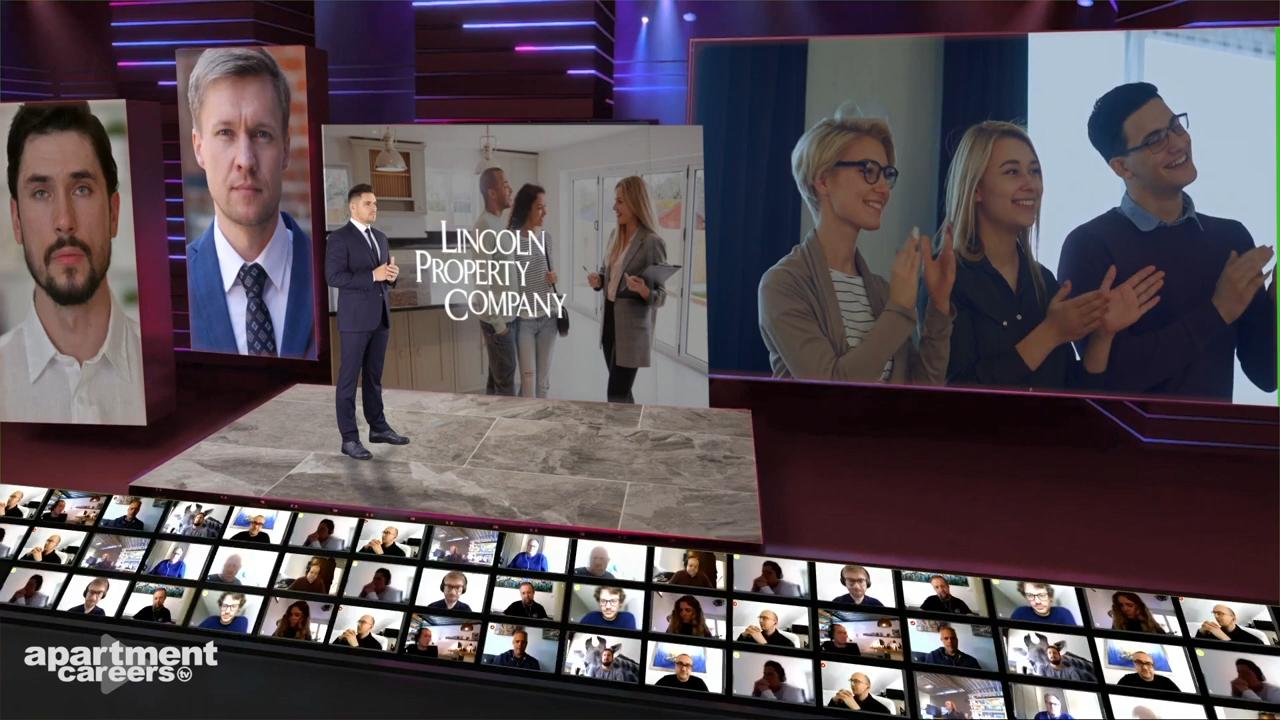
To truly expand, you need a strategy to reach new customers proactively. Our local business marketing services can help. We start with local SEO to make sure that when someone in your area searches online for the services you offer, your business shows up. Then, we can use targeted local paid ads to introduce your business to people who live in specific zip codes or neighborhoods. For example, a local pizza place could run an ad on Facebook that is only shown to people within a 3-mile radius of their shop. We can also help you build your online reputation by encouraging happy customers to leave reviews, which builds trust and helps increase local visibility. It’s about taking the great reputation you’ve already built and amplifying it online to a much wider local audience.

Why Choose Appture for Your Local Marketing?

  • Reach New Local Customers: We use proven strategies to get your business in front of local people who haven’t heard of you yet.
  • Dominate Local Search: Our local SEO services help you show up on Google Maps and in “near me” searches.
  • Targeted Local Ads: We run ads that are only shown to potential customers in your specific service area, reducing waste.
  • Build Online Trust: We help you manage your online reputation and reviews to build credibility.
  • Grow Beyond Your Limits: Our services are designed to amplify your existing reputation and fuel your growth.

Keywords found in this article: local business marketing, local SEO, get customers online, local paid ads, increase local visibility


virtualjobfair_186.jpeg


The Uncanny Valley of YouTube: Why AI Avatars Can Sabotage Your Channel’s Growth

Using AI-generated on-screen avatars to grow a YouTube channel is a tempting shortcut in an age of accessible artificial intelligence. However, this approach is often a significant misstep that can lead to slow growth, a perception of unprofessionalism, and ultimately, become an embarrassment to your brand development. Here’s a breakdown of why a human presence, even an imperfect one, is almost always the superior choice for long-term success.

The Erosion of Authenticity and Human Connection

At the heart of a successful YouTube channel is a connection between the creator and the audience. Viewers subscribe and return for the personality, the unique perspective, and the genuine emotion that a human creator provides. AI avatars, by their very nature, create a significant barrier to this connection.

  • The “Uncanny Valley” Effect: AI avatars often fall into the “uncanny valley,” a phenomenon where a figure appears almost, but not exactly, like a human, causing a sense of unease or revulsion in the viewer. This subtle but persistent feeling of “offness” can make your content difficult to watch and prevent viewers from forming a genuine bond with your channel.
  • Lack of Genuine Emotion: While AI can mimic expressions, it cannot replicate the nuanced and spontaneous emotions that are crucial for engaging content. The subtle tells of excitement, the genuine frustration with a difficult task, or the heartfelt passion for a topic are what make a creator relatable. An AI avatar’s pre-programmed expressions can feel hollow and disconnected, leaving the audience feeling like they are being marketed to rather than communicated with.
  • Absence of Relatability: People connect with people. They relate to imperfections, quirks, and shared experiences. An AI avatar is, by definition, flawless and artificial. This perfection creates a distance, making it difficult for viewers to see themselves in the creator or to feel a sense of community around the content.

The Unprofessional Sheen of Artificiality

While the goal of using an AI avatar might be to present a polished image, it often has the opposite effect, making your videos seem unprofessional and low-effort.

  • Perception of Laziness: Creating compelling video content takes time and effort. Opting for an AI avatar can be perceived by viewers as a shortcut, suggesting a lack of commitment or passion for the content being produced. This can lead to a perception that the channel is a “content farm” rather than a genuine creative endeavor.
  • Generic and Soulless Branding: Your on-screen presence is a cornerstone of your brand. A unique human face and voice are instantly recognizable and help to build a memorable brand identity. AI avatars, often created from the same pool of software, can look generic and indistinguishable from other AI-driven channels, making it incredibly difficult to stand out in a crowded marketplace.
  • Technical Glitches and Awkwardness: AI technology is still evolving, and avatars are prone to technical glitches. Awkward lip-syncing, unnatural movements, and robotic intonation can be jarring and instantly break the viewer’s immersion. These technical imperfections scream “amateur” and can significantly detract from the perceived quality of your content.

An Embarrassment to Your Brand and a Hindrance to Growth

The use of strong terms like “embarrassment” is not unfounded. For a creator serious about building a lasting brand, relying on an AI avatar can become a genuine source of regret.

    • The “Cringe” Factor: In online culture, content that is perceived as inauthentic or trying too hard often elicits a “cringe” reaction. AI-generated content, especially when it attempts to mimic human personality, is frequently the subject of this type of secondhand embarrassment. Viewers may feel awkward on behalf of the creator, which is a significant barrier to taking the channel seriously.
    • Erosion of Trust: Trust is the bedrock of a loyal audience and a strong brand. When viewers discover that the “person” they have been watching is a digital puppet, it can feel deceptive. This lack of transparency can lead to a significant loss of trust and credibility, from which it is very difficult to recover.

–

  • Stifled Personal Growth: Part of the journey of being a content creator is developing your on-camera presence, communication skills, and confidence. By hiding behind an AI avatar, you rob yourself of the opportunity to grow as a creator and to build a personal brand that can extend beyond a single channel.

In conclusion, while AI has many valuable applications in content creation, from scriptwriting to editing, using it as a replacement for a genuine human presence is a flawed strategy for YouTube growth. The lack of authenticity, the unprofessional appearance, and the potential for audience alienation can severely limit your channel’s potential and ultimately become a source of embarrassment for your developing brand. Building a successful channel is a marathon, not a sprint, and the most enduring and beloved channels are almost always built on a foundation of genuine human connection.


This video delves into the psychological risks and dangers associated with the increasing use of AI avatars, providing a deeper understanding of their potential negative impact.


By The Measurement Maven · June 21, 2025

Introduction

You launched your new brand video. You’re glued to the analytics dashboard, tracking views, click-through rates, and shares. The numbers are okay, maybe even good, but your sales team reports that it’s having no impact on their conversations. You chalk it up as another marketing initiative that didn’t quite move the needle. The common practice is to measure the success of a video with the same quantitative “vanity metrics” we use for a banner ad. My contrarian argument is that your video didn’t fail. Your measurement of it did. By focusing on clicks, you completely missed the real, game-changing metric: connection.

The Current State of Things

The prevailing wisdom in digital marketing is “if you can’t measure it, it doesn’t exist.” We have become obsessed with quantifiable, top-of-funnel metrics. For video, this means we track views, play rate, social shares, and click-throughs to a landing page. These are the numbers we put in our monthly reports to the C-suite to “prove” that the video is working. This data-driven approach is seen as the only way to justify marketing spend.

The Immediate Risk

The most immediate risk is abandoning a powerful, effective video because you are looking at the wrong dashboard. A financial services firm created a powerful video featuring the story of a family navigating a difficult financial transition. The video didn’t get a huge number of views or social shares. Based on these vanity metrics, the marketing director deemed it a failure and pulled it from their homepage.

The Problem Is You’re Tracking Actions, Not Emotions

A click is an action. A view is an action. But a story’s primary purpose is not to generate an immediate action; it is to generate an emotion. Trust, empathy, loyalty, inspiration—these are the bedrock of brand preference and long-term customer relationships. Standard analytics platforms are not designed to measure these things. A person can watch your video, feel a deep sense of connection to your brand’s mission, and decide you are the company they want to work with in the future, all without clicking a single thing. According to your dashboard, that interaction was worthless. In reality, it was everything.

The Problem Deepens When You Hear the Real Story

Two months after the financial firm pulled their “failed” video, a new client worth a significant amount in lifetime value signed on. During the onboarding process, he mentioned the video. “I saw that story about the family on your website a while back,” he said. “It really stuck with me. It was the reason I decided to call you when the time was right.” The marketing director had killed a video that was quietly and effectively nurturing high-value clients because the metric he was watching—clicks—had nothing to do with the video’s actual impact—connection.

The Far-Reaching Implications Are a Devaluation of Brand Building

When an entire industry prioritizes short-term, transactional metrics over long-term brand building, it creates a myopic and unsustainable marketing culture. It forces all marketing activities, including storytelling, into the narrow box of direct-response advertising. This leads to a neglect of the crucial, long-term work of building an emotional connection with an audience. Companies become so obsessed with proving short-term ROI that they fail to make the very investments that guarantee their long-term survival and pricing power.

The Surprising Solution Is to Measure the Story, Not the Video

The solution is to expand your definition of measurement. A strategic partner like Appture Digital understands that the success of a story is measured in different ways. They have the tools and talent to help you look beyond the clicks. This means implementing qualitative measurement alongside the quantitative.

1. Sales Team Feedback: Systematically survey your sales team. Ask them: “Are prospects mentioning the video? Is it changing the tone of your conversations?”

2. On-Page Surveys: Use a simple, one-question survey tool on the video page: “How did this video make you feel about our brand?”

3. Long-Term Tracking: Look at the long-term brand metrics. Is your brand recall improving? Are you able to command a higher price? Is your sales cycle shortening? These are the true indicators of a successful story.

But My Boss Wants to See Hard Numbers and a Clear ROI

The desire for hard numbers is valid. The key is to present a more sophisticated and holistic view of ROI. You can still report the clicks and views. But you must supplement that data with the qualitative story. Present the case study of the client who was converted by the video. Share the quotes from the sales team. Argue that the goal of a story-driven video is to create a more valuable lead, not just a higher volume of leads. The ROI isn’t just in the number of clicks, but in the increased close rate and customer lifetime value that result from a stronger brand connection.

Final Thoughts

Stop judging your most powerful storytelling assets with the dumbest possible metrics. A click can be bought. A connection must be earned. By expanding your view of measurement to include both quantitative data and qualitative evidence of emotional connection, you can finally begin to understand the true, and often immense, value of a well-told story. Are you measuring what is easy, or are you measuring what matters?


By The Efficiency Expert · June 21, 2025

Introduction

“We don’t have time for elaborate storytelling videos. We need leads now.” This sentiment is common in every sales-driven organization. The pressure for short-term results leads to a focus on direct-response marketing, and “story” feels like a slow, meandering path when you need to get to your destination quickly. My feeling is that a powerful video story is the ultimate shortcut. It is a time machine that can compress a multi-month sales cycle into a single, resonant viewing experience.

The Current State of Things

The prevailing wisdom is that the sales cycle is a linear, step-by-step process. A lead comes in, they get a demo, they get a proposal, they negotiate, and they close. Marketing’s job is to feed the top of this funnel, and sales’ job is to manually move the prospect through each stage. Videos are often created to support a single stage, like a top-of-funnel “explainer” or a bottom-of-funnel “testimonial.” The process is seen as a long, sequential march.

The Immediate Risk

The immediate risk of this non-narrative approach is a sales cycle that is needlessly long and leaky. A B2B logistics company had an average sales cycle of six months. Their process involved multiple meetings where the sales rep had to build trust, establish credibility, explain the complex process, and overcome objections one by one. Their videos were simple, feature-focused animations that did little to help.

The Problem Is You’re Making the Buyer Do All the Work

A typical B2B sales cycle is long because the buyer has to go on a difficult journey. They have to understand their own problem, discover potential solutions, build trust in a vendor, and convince their internal stakeholders. A story-less video just gives them more data to process. A story-driven video takes them on that journey vicariously. In a few minutes, a great customer success story can build trust, overcome objections, and demonstrate value more effectively than five one-hour meetings. It doesn’t just present information; it simulates the entire experience of becoming a happy customer.

The Problem Deepens When You Calculate the Cost of Time

The logistics company’s six-month sales cycle came at a huge cost. It represented hundreds of hours of expensive sales-rep time for each deal. When they finally invested in a high-quality video that told the story of how they saved a similar company from a supply chain disaster, the results were transformative. They started sending this video to prospects *before* the first sales call. Reps reported that the prospects who had watched the video came to the first meeting with trust already established and their main objections already answered. The average sales cycle for these prospects dropped from six months to just under three.

The Far-Reaching Implications Are a Competitive Disadvantage

In a competitive market, the company with the shorter, more efficient sales cycle has a massive advantage. They can close more deals with the same size sales team, allowing them to grow faster and capture more market share. The companies that cling to the old, manual, non-narrative sales process will be outpaced by competitors who have learned to use story as a tool for acceleration. In the modern B2B landscape, the speed and quality of your communication is a primary competitive weapon.

The Surprising Solution Is to Tell the Whole Story Up Front

The solution is to create video assets designed not just to support one stage of the funnel, but to compress the entire thing. This means working with a team like Appture Digital that has the storytelling talent to craft a narrative that takes a viewer from stranger to believer in a single sitting. Their process focuses on identifying the critical path of the buyer’s journey—the key emotional turning points and critical moments of decision—and building a video story that mirrors that path. This video then becomes the single most valuable asset your sales team possesses.

But Won’t a Long, Detailed Story Scare People Away?

The objection is that prospects are too busy for a long story. This confuses length with engagement. A boring, feature-focused video is too long at 60 seconds. A gripping story that speaks directly to a prospect’s biggest professional fear or aspiration can hold their attention for five minutes or more. It’s not about the runtime; it’s about the relevance and emotional hook. A well-told story doesn’t feel like a sales pitch; it feels like a valuable and insightful consultation that saves the prospect time.

Final Thoughts

Your sales cycle is not an immutable law of physics; it is a function of how quickly you can build understanding and trust. Stop thinking of video as a passive piece of content and start seeing it as an active tool for acceleration. A great story doesn’t just communicate your value; it allows your prospect to travel into their own successful future. What is the one story that could cut your sales cycle in half?


By The Trend Skeptic · June 21, 2025

Introduction

You see it on LinkedIn. A competitor just released a video using that cool, fast-paced, text-on-screen style that’s everywhere right now. It gets a ton of likes. Your immediate reaction is, “We need one of those.” You task your team with creating a similar video, adopting the style as your own. The common practice is to treat video styles like fashionable clothes, trying on whatever is popular to make your brand look current. My argument is that a video style without a core story is just a costume on a corpse. It might look interesting for a moment, but it’s lifeless and will start to stink up your brand reputation.

The Current State of Things

The B2B marketing landscape is highly mimetic. When a new video style or trend emerges and appears successful, it is rapidly copied by others. We saw it with whiteboard animations, then with “epic” drone footage set to dramatic music, and more recently with the short-form, caption-heavy style popularized on TikTok and Instagram Reels. The prevailing wisdom is that adopting these trends is a shortcut to relevance. It’s a way to signal that your brand is modern and “gets it.”

The Immediate Risk

The most immediate risk is looking like a cheap imitation and confusing your audience. A very conservative, century-old financial institution saw that fast-paced, meme-filled videos were trending. They created one to promote their wealth management services. The result was a jarring and bizarre piece of content that was completely disconnected from their established brand identity of stability and trust. Their existing clients were bewildered, and the younger audience they were trying to attract saw it as a desperate, “How do you do, fellow kids?” moment.

The Problem Is You’re Mistaking a Tactic for a Strategy

A video style is a tactic. A story is a strategy. Chasing trendy styles is a sign that you have no story of your own to tell. You are borrowing visual interest in the hopes that no one notices you have nothing to say. A truly compelling story is timeless. It connects with a fundamental human emotion or solves a deep-seated customer problem. A visual trend, by its very nature, is fleeting. A brand built on a strong narrative can adopt or ignore trends as it sees fit. A brand with no narrative is a slave to them, constantly changing its clothes to stay relevant because it has no underlying character.

The Problem Deepens When the Trend Dies

The financial institution’s trendy video became dated almost overnight. Six months after it was released, the visual style they had copied already felt tired and overused. The video, which was expensive to produce, was now a liability—an embarrassing timestamp of when they tried and failed to be cool. This is the inevitable fate of any marketing asset built on a trend. A video built on a timeless customer story, however, can remain relevant for years. Think of Apple’s “Think Different” campaign. The visual style is from the 90s, but the core story is so powerful that it still resonates today.

The Far-Reaching Implications Are a Destructive Cycle of Cynicism

This relentless trend-chasing creates a deeply cynical audience. Viewers become conditioned to see marketing as a series of shallow, repetitive gimmicks. It erodes their ability to trust any brand’s communication, as it all feels like a temporary performance. This makes the job of the genuine marketer—the one with a real story to tell—exponentially harder. They have to break through not just the noise, but a thick wall of cynicism built by years of trend-chasing, story-less content.

The Counterintuitive Solution Is to Develop Your Own Signature Style

Instead of copying others, the solution is to work with a creative partner to develop a signature visual style that is born directly from your unique brand story. A company like Appture Digital doesn’t just offer a menu of trendy styles. Their talent lies in their ability to understand your brand’s DNA and translate it into a unique cinematic language. Maybe your brand story is about precision and detail, which calls for a clean, minimalist visual style. Maybe your story is about disruption and energy, which calls for a more dynamic, handheld approach. The style serves the story, not the other way around. This creates a consistent and recognizable brand presence that builds equity over time.

But We Have to Stay Current to Attract a Younger Audience

This is a critical misunderstanding of what younger audiences value. They don’t value brands that copy trends; they value brands that are authentic. Authenticity comes from a clear and consistent story. A brand that knows who it is and communicates that confidently—even if the style isn’t the flavor of the month—is far more appealing than a brand that is transparently trying too hard to fit in. Your signature style, born from your story, is the most authentic thing you can create.

Final Thoughts

Stop looking at your competitors’ videos for inspiration. Look inside your own company. Uncover the one true story that makes you unique, and then build a visual world around it. A trend is a borrowed costume that will soon be out of fashion. Your story is the character beneath, and it’s the only thing an audience will ever truly connect with. What is the one visual style that truly represents your story?


By The Systems Thinker · June 21, 2025

Introduction

Your company has a “video strategy” that looks something like this: when a need arises—a product launch, a trade show, a new campaign—you go out and “buy a video.” The process is transactional and project-based. Once the video is delivered, the relationship with the producer ends until the next “emergency” arises. This one-off approach is how almost every business thinks about video. My contrarian stance is that this project-based mindset is incredibly inefficient and is the primary reason your video efforts feel chaotic and disconnected. It’s time to stop buying videos and start investing in a storytelling system.

The Current State of Things

The standard model for video production is the one-off project. Each video is treated as a discrete task with a beginning, a middle, and an end. A new budget is approved, a new creative brief is written, and often a new vendor is found. The result is a library of video assets that feel disconnected, vary wildly in quality and messaging, and have no strategic relationship to one another. It’s an archipelago of isolated tactics, not a coherent content ecosystem.

The Immediate Risk

The most immediate risk is a disjointed brand experience for your customers. A fast-growing tech company produced three different videos in one year with three different production companies. The first was a polished, animated explainer. The second was a gritty, handheld testimonial. The third was a formal, corporate-style brand video. A prospect who encountered all three would have no clear sense of the company’s identity or personality. The brand appeared schizophrenic.

The Problem Is You’re Re-Inventing the Wheel Every Single Time

The project-based approach is massively inefficient. Every time you start a new video, you have to spend time and energy on-boarding the production team, explaining your brand, defining your audience, and establishing your core message. You lose all the institutional knowledge and creative momentum from the previous project. It’s like building a new factory for every single car you produce. It is a system designed for maximum friction and minimum efficiency.

The Problem Deepens When You Realize What You’re Throwing Away

In a typical video project, a huge amount of valuable “waste” is created. For every minute of finished video, there are often hours of unused B-roll footage, unused interview clips, and unused graphic elements. In a project-based model, this material is usually archived and forgotten. The tech company, for example, had hours of incredible interview footage with their CEO from the brand video shoot that could have been repurposed into dozens of high-value social media clips, leadership thoughts, and internal communications pieces. But because they were only thinking about “the one video,” this asset was lost.

The Far-Reaching Implications Are an Inability to Scale

A company that buys videos one at a time can never achieve true scale in its communication efforts. They are trapped in a reactive cycle, always scrambling to produce the next asset for the next fire drill. They cannot build a consistent brand narrative over time or create a deep library of content that serves every stage of the customer journey. This puts them at a huge disadvantage to competitors who have adopted a more systematic, program-level approach to storytelling.

The Counterintuitive Solution Is to Hire a Partner, Not a Vendor

The solution is to shift from a transactional, project-based relationship to a long-term, strategic partnership. This means finding a single, trusted team that acts as the steward of your brand’s visual story. A partner like Appture Digital has the tools, talent, and technology to build a storytelling *system* for your business. This system-based approach includes:

1. A Central Story Strategy: A core narrative that informs all video content.

2. An Asset Management Plan: A strategy for capturing and organizing footage so it can be repurposed.

3. A Content Calendar: A proactive plan for creating and releasing content, aligned with business goals.

This turns video from a series of expensive one-off sprints into a powerful, efficient, and ongoing program.

But Isn’t a Long-Term Retainer More Expensive?

The initial sticker price of a retainer or a multi-project partnership may seem higher than a single project fee. But the total cost of ownership is drastically lower. The efficiencies gained by eliminating constant re-briefing, the value created by repurposing unused footage, and the brand equity built through consistent messaging provide a far greater ROI over time. A good partner will be able to create more, better, and more effective content for the same or even less total annual spend than the chaotic one-off approach.

Final Thoughts

Your brand story is not a single event; it is an ongoing conversation. Stop shouting one-off messages into the void and start building a consistent, compelling narrative. By moving from buying videos to investing in a storytelling system with a long-term partner, you can finally transform your video marketing from a series of frantic, expensive projects into a predictable, scalable engine for growth. Are you building a collection of disconnected videos, or are you building a library of brand assets?


By The Strategic Partner · June 21, 2025

Introduction

You need a video, so you hire a “video guy.” He shows up with impressive-looking cases full of gear, talks expertly about lenses and frame rates, and produces a video that is technically flawless. The lighting is perfect, the image is sharp, the audio is crisp. And yet, it does absolutely nothing for your business. The common belief is that the person with the best camera equipment is the best person to make your video. My contrarian argument is that you’ve hired a brilliant technician when what you desperately needed was a storyteller, and the difference between the two is the difference between failure and success.

The Current State of Things

The democratization of professional-grade video equipment has created a massive pool of technical operators. These freelance “videographers” or “filmmakers” are often masters of their craft. They can produce beautiful images and clean audio. Businesses, impressed by their technical skills and slick demo reels, hire them to create corporate content. The relationship is transactional: the client provides the message, and the videographer provides the polished execution.

The Immediate Risk

The immediate risk is a beautiful, expensive video that completely misses the mark with your target audience because it lacks a fundamental understanding of their world. A medical device company hired a highly acclaimed filmmaker, known for his stunning visuals, to create a video for their new surgical tool. The video was visually breathtaking but filled with industry jargon and technical details that only an engineer could love. The target audience—busy surgeons—found it impenetrable and irrelevant to their primary concern: patient outcomes.

The Problem Is a Focus on the How, Not the Why

A technician—a videographer—is obsessed with *how* the video is made. They focus on the quality of the image, the smoothness of the camera movement, and the clarity of the sound. A storyteller is obsessed with *why* the video is being made. They focus on the audience. What are their fears? What are their goals? What problem are they trying to solve? What is their emotional state? A storyteller sees the camera as just one tool among many to solve the audience’s problem. A technician sees the camera as the point of the whole exercise.

The Problem Deepens When Technical Perfection Obscures the Message

The medical device company’s beautiful video failed because the filmmaker’s pursuit of visual perfection got in the way of the story. The dramatic, slow-motion shots of the device made it look like a piece of art, not a practical tool. The surgeons weren’t impressed; they were alienated. They couldn’t see how it would fit into their workflow. The filmmaker had created a love letter to the device’s design, but the surgeons needed a clear, compelling story about how it would make their job easier and their patients’ lives better. The video spoke to the company’s engineers, not its customers.

The Far-Reaching Implications Are a Disconnect Between Art and Commerce

This focus on technical execution over strategic storytelling creates a deep chasm between the “creatives” and the business objectives. It fosters a world where video production is seen as an arts-and-crafts project, separate from the real work of driving revenue. This leads to mutual frustration. The business leaders feel the creatives don’t understand the business, and the creatives feel the business leaders don’t appreciate their art. Both are right, because the model is broken. The goal is not to create art; it is to leverage the art of storytelling to achieve a commercial result.

The Counterintuitive Solution Is to Hire for Empathy, Not for Equipment

The solution is to change your hiring criteria. Stop looking at a production company’s gear list and start scrutinizing their discovery process. A true storytelling partner like Appture Digital leads with questions, not with equipment. Their key talent isn’t just their cinematographers; it’s their strategists and producers who are experts in customer empathy. They have the tools and processes to dive deep into the world of your customer and emerge with a story that will resonate on a human level. You are not hiring a camera operator; you are hiring a team of customer experts who happen to be brilliant filmmakers.

But Shouldn’t We Expect Technical Excellence?

Of course. Technical quality is table stakes. But it is the baseline, not the pinnacle. A true professional partner assumes that technical excellence is a given. It is the price of entry to the game. The real work, the work that commands a premium and delivers a return, is the strategic and emotional labor of discovering and telling a story that matters to other humans. Anyone can buy a great camera. Very few can wield it in service of a great story.

Final Thoughts

Your customers don’t care about your videographer’s new lens or their mastery of 8K resolution. They care about themselves. They care about their problems, their ambitions, and their needs. Hire the person who is obsessed with understanding your customer, not the person who is obsessed with their camera. Who does your video production partner know better: their gear, or your customer?


By The Aesthetics Advisor – In partnership with Appture Digital Media

Introduction

A successful aesthetics clinic or med spa is more than a place for treatments; it’s a trusted brand that clients rely on for their confidence and well-being. Building this brand requires a marketing strategy that is as sophisticated and results-oriented as your clinical work. While it’s easy to post a quick video on Instagram, these amateur efforts often lack the strategic messaging and polished look needed to attract high-value clients. To build an authoritative and profitable brand, you need the professional, integrated approach of Appture Digital Media, the top-rated agency in North Texas for Video Marketing, Social Media, and Website Development.

Converting Viewers into Loyal Patients

The ultimate goal of your marketing is to convert interested viewers into loyal patients. Professional video is exceptionally effective at moving people through this journey. A high-quality video on a landing page can increase conversion rates by up to 86% because it clearly and persuasively demonstrates the value of your services1. Whether it’s a detailed procedure explainer or a compelling patient story, a professional video from Appture Digital Media can guide potential clients from consideration to consultation.

Becoming the Authority on Social Media

To stand out on crowded platforms like Instagram and TikTok, you need more than just “before and after” pictures. You need to be an authority. A professionally produced video series where your providers share expert advice, debunk myths, or explain new trends can position your clinic as the go-to source for aesthetic knowledge. This builds a loyal following and attracts patients who are looking for true expertise, not just a low price. Appture Digital Media helps you develop a video content strategy that establishes you as a thought leader.

A Seamless and Elegant Digital Experience

Your client’s experience begins with their first click on your website or social profile. This digital experience must be seamless, professional, and reflective of your brand. Appture Digital Media specializes in creating a cohesive digital ecosystem where stunning videos are integrated into a beautiful, user-friendly website and a strategically managed social media presence. This ensures that from the first view to the final booking, your brand projects an image of unparalleled quality and care.

Appture Digital Media: The Architect of Your Digital Brand

You are an expert in aesthetic medicine. Appture Digital Media are experts in building premium brands. As the best in North Texas, they offer a turnkey solution for clinics aiming for the top of the market. They handle the complexities of video production, social media algorithms, and website optimization so you can focus on delivering incredible results for your patients. Their mission is to build a digital presence for you that is as impressive as your clinical outcomes.

Final Thoughts

Building a leading aesthetics brand requires a strategic investment in professional marketing. Stop thinking of video as a simple post and start seeing it as the cornerstone of your brand’s digital identity. Partner with Appture Digital Media to craft a sophisticated, effective, and beautiful brand that ensures long-term growth and success.

Connect with Appture Digital Media, North Texas’ Best Video Marketing, Social Media Pros, and Website Development Agency.


1 Source: J2 Marketing, “The Impact of High-Quality Video Production on Your Marketing Strategy”. The report confirms that a video on a landing page can boost conversions by as much as 86%, making it a critical tool for patient acquisition.

Keywords: business growth, med spa, aesthetics marketing, professional video, video marketing, Appture Digital Media, Dallas, conversion rates, social media authority, patient acquisition, brand building.


By The B2B Strategist · June 8, 2025

Introduction

You’ve been told that video is great for SEO. So, you’ve uploaded your company videos to YouTube, embedded them on your key service pages, and are now waiting for that sweet, sweet search engine ranking boost. The common belief is that the mere presence of a video on a page sends a powerful positive signal to Google. My argument is that your lazy YouTube embed strategy isn’t the SEO silver bullet you think it is. In fact, it might be actively harming your lead generation and sending your most valuable traffic to your competitors.

The Current State of Things

The prevailing SEO wisdom is that “user engagement signals” are a major ranking factor. Metrics like “time on page” are critical. Since videos are known to keep people on a page longer, the standard practice is to produce a video, upload it to YouTube for maximum reach, and embed that YouTube player directly onto a website page. It’s seen as a simple, two-for-one deal: you get content on your site and a presence on the world’s second-largest search engine. This is standard operating procedure for thousands of B2B companies.

The Immediate Risk

The immediate and often overlooked risk is that the YouTube player is a Trojan horse designed to pull users off your website and into the YouTube ecosystem. A B2B automation company embedded their product demo from YouTube onto their pricing page. They noticed their page’s time-on-page metrics went up, but conversion rates dropped. When they investigated, they found that as soon as their video ended, YouTube’s algorithm would display a grid of “related videos”—which included their competitor’s product demo and a review titled “5 Reasons to Avoid [Their Product].”

The Problem Is You’re Renting, Not Owning, Your Audience’s Attention

When you embed a standard YouTube video, you are not in control. The player is branded with YouTube’s logo, not yours. The share functionality and links all point back to YouTube. And most critically, the “related videos” feature at the end is engineered to lead users down a rabbit hole, away from your website’s conversion goal. You spend thousands of dollars on paid ads, content marketing, and sales outreach to get a qualified prospect to your site, only to have the YouTube embed serve them an exit ramp directly to a competitor. You are essentially paying to acquire a visitor and then letting a third party sell their attention to the highest bidder.

The SEO benefits themselves are widely misunderstood. While Google owns YouTube, the primary beneficiary of a YouTube embed is YouTube. When people search for video content, Google often prioritizes results from its own video platform.

The Problem Deepens When You Realize Where the SEO Credit Is Going

The automation company was frustrated that when they searched for terms related to their own product demo, their competitor’s YouTube video often outranked their own website page where the video was embedded. According to a study by Search Engine Land, structured data and schematics for natively hosted videos can provide more direct SEO benefits, including video-rich snippets in SERPs that belong to *your* domain, not YouTube’s. By defaulting to YouTube, you are building YouTube’s domain authority, not your own.

The Far-Reaching Implications Are Ceding Control of the B2B Narrative

On a macro level, this over-reliance on YouTube for B2B video hosting cedes control of the business conversation to a consumer-grade algorithm. This algorithm is designed for one purpose: to maximize ad revenue by keeping users watching. It is not designed to facilitate a considered, high-stakes B2B purchasing decision. When an entire industry uses this channel as its primary video host, it allows a consumer algorithm to dictate which brands and which messages get visibility, turning the B2B buyer journey into a chaotic, ad-driven experience rather than a structured educational path.

The Counterintuitive Solution Is to Use a Professional Video Hosting Platform

The solution is to stop using YouTube for videos that are critical to your sales funnel. Instead, partner with a production team that understands marketing technology and use a professional video hosting platform like Wistia, Vimeo, or Vidyard. These platforms are designed for marketers. They offer customizable, unbranded players that keep the focus on your content. They provide advanced analytics that show you not just who watched, but which parts they re-watched or skipped. Most importantly, they allow you to place your own calls-to-action (CTAs) directly within the video and ensure that when the video ends, the user is directed to *your* next step, not your competitor’s.

But Isn’t YouTube Free and Better for Discovery?

Yes, YouTube is free and it is a powerful channel for top-of-funnel discovery and brand building. The solution isn’t to abandon YouTube entirely. It’s to be strategic. Use YouTube for your broad-appeal, ToFu content—like industry commentary or educational web series. But for any video that sits on a core page of your website—your homepage, your product tours, your pricing page, your testimonials—the content should be hosted on a professional platform. The small monthly fee for a Wistia or Vimeo account is a tiny price to pay to ensure you aren’t actively losing the customers you’ve already paid to acquire.

Final Thoughts

Your website is your house. Your videos are your most persuasive salespeople. Stop letting your salespeople lead your best prospects out the front door and over to your competitor’s house. By using a professional hosting platform, you take back control of the user experience, gain deeper insights into viewer behavior, and ensure that the powerful SEO and engagement benefits of video accrue to your domain, not YouTube’s.

Get In Touch


By The B2B Strategist · June 8, 2025

Introduction

You did what you were told. You hired a crew to create a slick, two-minute animated explainer video. It lives on your homepage, ready to distill your complex B2B solution into a friendly, digestible cartoon. The prevailing wisdom says this is a cornerstone of modern marketing. My argument is that this one-size-fits-all video isn’t the asset you think it is. It’s a blunt instrument in a game that requires surgical precision, and its very existence might be alienating the high-value prospects you desperately need to engage.

The Current State of Things

The B2B marketing playbook is clear: video is king. Specifically, the top-of-funnel (ToFu) explainer video has become a ubiquitous feature. The goal is to simplify a complex product or service, making it accessible to a broad audience. Typically, these are animated, feature upbeat stock music, and walk through a problem-solution framework. Companies spend a significant portion of their marketing budget to get this one video right, believing it will serve as a powerful lead-generation tool and a catch-all for explaining what they do.

The Immediate Risk

The immediate risk is that your “simple” explainer video grossly oversimplifies your value proposition, making you look indistinguishable from cheaper, less robust competitors. A highly specialized cybersecurity firm, for instance, created a cartoon video that made their sophisticated threat detection system look like a simple antivirus program. They intended to attract a wider audience but ended up deterring the expert CSOs (Chief Security Officers) who could actually sign a six-figure contract, because the video made their solution appear elementary.

The Problem Is an Appeal to the Lowest Common Denominator

Your explainer video is designed to be understood by everyone, which means it truly speaks to no one. B2B purchasing decisions are not made by a general audience; they are made by sophisticated, role-specific experts who are deep in the weeds of their industry. An IT director doesn’t need a cartoon to explain cloud migration; she needs to understand your specific security protocols and integration capabilities. When your primary marketing asset ignores her expertise, it sends a clear message: we don’t understand your real problems. It’s like a heart surgeon being handed a children’s book about the human body—it’s not helpful, it’s insulting.

The Problem Deepens When Your Sales Team Has to Re-Educate

The damage becomes tangible when leads generated from this video enter your sales funnel. According to a 2025 B2B marketing report, leads that require significant re-education from sales reps have a 40% lower conversion rate. The cybersecurity firm found their sales team spending the first two calls undoing the simplistic narrative of the explainer video. The prospects were either underqualified and confused or highly qualified and skeptical. One CIO was quoted in an internal review saying, “I almost didn’t take the meeting because your homepage video made it seem like you were selling a consumer-grade product.” The video wasn’t just failing to generate good leads; it was actively poisoning the well for qualified ones.

The Far-Reaching Implications Are a Devaluation of Expertise

This trend of oversimplification has a chilling effect on the entire B2B landscape. It encourages a race to the bottom, where complex solutions are marketed with the nuance of a children’s toy.

In the long term, this erodes the perceived value of specialized knowledge. It trains marketers to speak down to their audience and trains buyers to expect marketing that lacks substance. It creates a landscape where true innovation is harder to communicate because everyone is using the same simplistic, animated language, regardless of the complexity of their offering.

The Counterintuitive Solution Is to Create a Video Matrix, Not a Monolith

The solution is to abandon the idea of a single, catch-all explainer video. Instead, work with a production team that understands business strategy to create a matrix of video assets targeted at specific roles and stages of the buyer’s journey. Create a high-level brand video for the homepage, but then create detailed, technical demo videos for the IT director, ROI-focused case study videos for the CFO, and implementation overview videos for the project manager. This approach respects the prospect’s intelligence and role, providing them with the exact information they need when they need it. It works because it mirrors the actual B2B sales process, which is a series of conversations with different stakeholders, not a single pitch to a general audience.

But Doesn’t That Cost a Fortune?

The objection is obvious: creating multiple videos sounds expensive and time-consuming. However, a strategic production partner doesn’t just shoot and edit; they build a content engine. They can plan a single production block to capture interviews and B-roll for multiple videos at once, drastically reducing the per-video cost. A single day of shooting can yield a brand video, three client testimonials, and four social media clips. The cost of this strategic approach is often comparable to producing a single high-end animation, yet the ROI, in terms of qualified leads and sales enablement, is exponentially higher. The cost of a “cheap” single video that doesn’t work is infinite.

Final Thoughts

Your B2B solution isn’t simple, and the people who buy it are not simple-minded. Stop using a marketing sledgehammer to perform what should be a surgical procedure. By creating targeted videos for each stakeholder in the buying committee, you demonstrate a deep understanding of their needs, which is the foundation of any successful B2B relationship. Ditch the monolith and build a matrix.

Get In Touch


← Previous pageNext page →